

Graphic design has grown into a field that combines creativity with technology in exciting ways. Advances in software, artificial intelligence, and generative design tools have opened up new possibilities for artists, designers, and businesses. These innovations allow creative professionals to work faster, explore more ideas, and produce high-quality visuals with greater efficiency.
The tools available today make it easier to experiment with layouts, colors, and styles. Designers can focus on their vision while technology handles repetitive tasks, complex calculations, or rendering processes. This balance of creativity and automation is changing how projects are approached and completed.
Keeping up with tech innovations in graphic design helps professionals stay competitive and discover new ways to express ideas. Embracing these developments allows artists and designers to push boundaries, enhance their work, and create visually engaging designs that resonate with audiences.
Interactive and Immersive Experiences
Interactive and immersive experiences are transforming the way people engage with graphic design. Designers can now create visuals that respond to user input, offering a more engaging and dynamic experience. These approaches make designs feel alive and allow audiences to interact in ways that were not possible before.
Some digital platforms also use interactive elements for entertainment, combining creativity with technology. For example, online platforms like ethereum online casino provide interactive experiences for users while exploring secure and engaging ways to play games digitally. Incorporating interactive design principles can help digital experiences feel more personal and engaging.
By exploring immersive techniques, designers can create more memorable and impactful work. These innovations enhance user engagement, foster creativity, and make digital content more dynamic and enjoyable for audiences.
AI-Powered Design Tools
AI-powered design tools are changing the way designers approach their work. These tools can automate repetitive tasks, suggest design improvements, and help generate creative ideas quickly. They allow designers to focus on innovation and artistic expression rather than time-consuming processes.
With AI assistance, complex tasks such as color matching, layout adjustments, or image enhancement can be completed more efficiently. Many tools also analyze trends and patterns, giving designers insights that improve the overall quality of their projects. This combination of creativity and technology enables designers to experiment and produce high-quality results faster than ever.
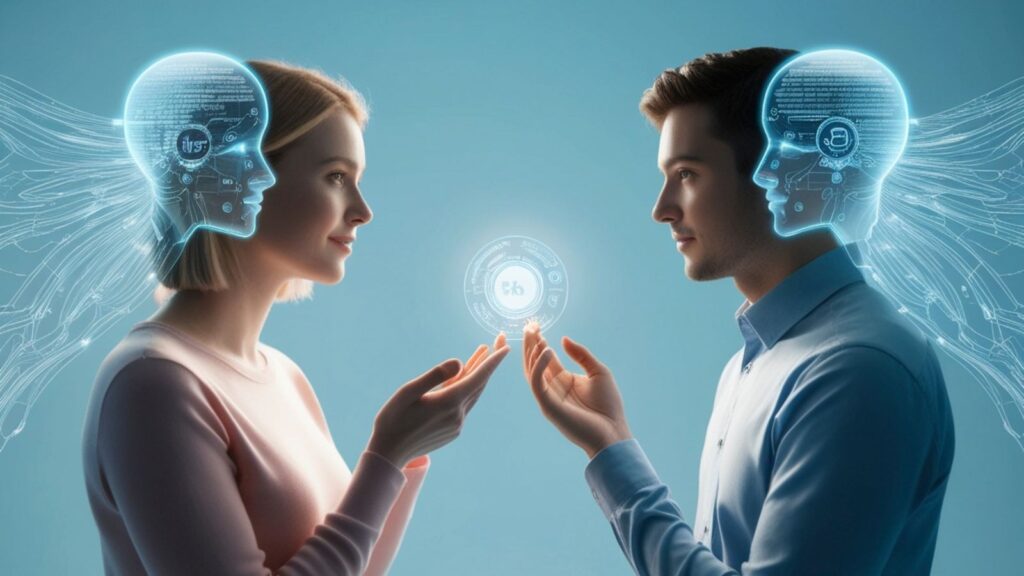
Using AI in design encourages new ways of thinking and problem-solving. Designers can explore ideas they might not have considered, making the creative process more dynamic and expansive while achieving professional results.
Generative Design
Generative design is a technology-driven approach that allows designers to create multiple design options quickly. By inputting parameters such as size, material, or function, software can generate a wide variety of possible solutions. This helps designers explore new ideas and discover options they may not have considered manually.
The process encourages experimentation and innovation. Designers can refine generated results, combining human creativity with computational power. Generative design can be applied to graphics, product design, architecture, and more, making it a versatile tool for modern creative projects.
Using generative design allows designers to work more efficiently and creatively. It opens up possibilities for unique solutions, optimizes resources, and enhances the overall design process, making it easier to achieve high-quality, innovative results.